Module 3 –
Marine scientific research in the Area
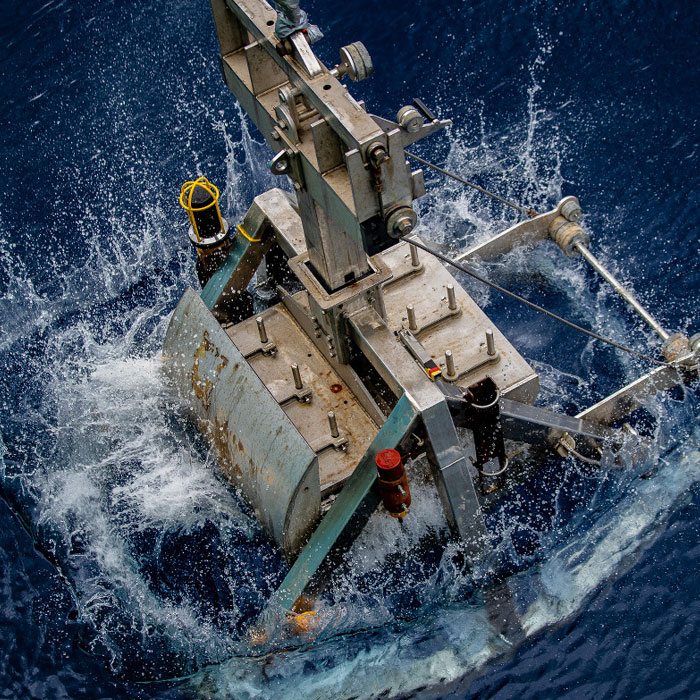
Introduction to Module 3
Lead Expert : Samantha SmithModule 3 Introduction Video Coming soon
Lessons
7 Mandatory Lessons
Electives
Select four electives
Experts
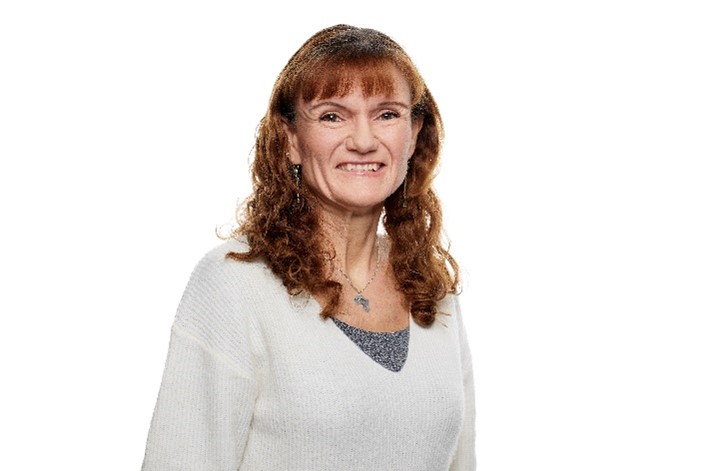
Annemiek Vink
Annemiek Vink is a marine geo-biologist and has been working at the German Federal Institute for Geosciences and Natural Resources (BGR) since 2004. She is the project manager for the exploration of polymetallic nodules in the BGR contract area in the Clarion-Clippertone Zone (CCZ) in the Pacific, with a strong personal focus on the collection of adequate environmental baseline data as well as the analysis of potential impacts of nodule exploitation on faunal communities and ecosystems. Annemiek has participated in several research/exploration cruises into the CCZ since 2013.
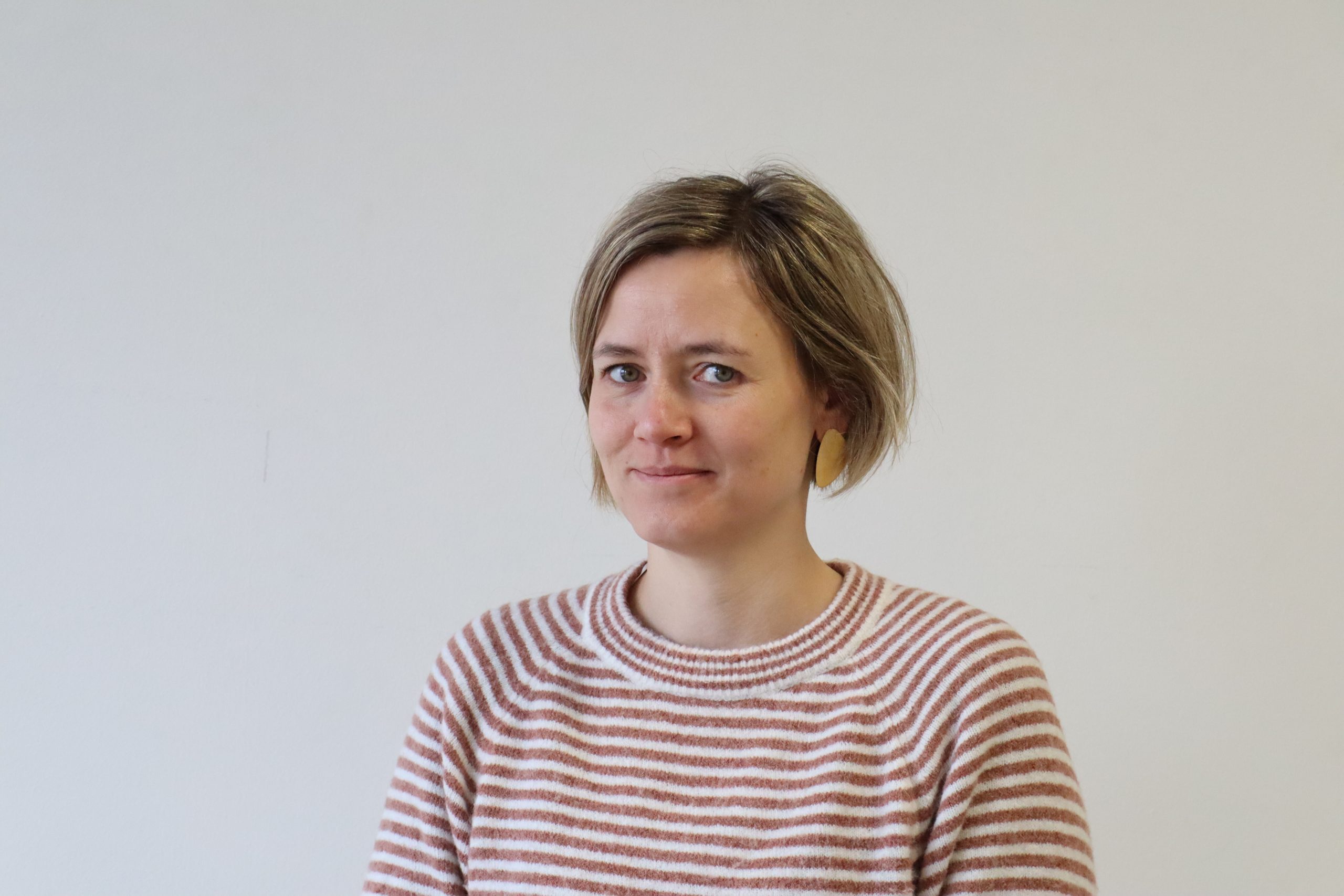
Ellen Pape
Ellen Pape is a deep-sea benthic ecologist employed at the Marine Biology Research Group of Ghent University (UGent) in Belgium. She has been working in the field of deep-sea benthic ecology since 2007 (when she started her PhD in Marine Sciences). For her PhD, she studied the biodiversity and ecosystem function of meiofauna (nematodes) in contrasting southern European deep-sea environments through field observational studies and experimental work. Most of her research focuses on meiofauna, but she also co-authored scientific manuscripts on macro- and megafauna ecology. Since 2014, she has been coordinating the baseline biological and environmental studies in the exploration contract area of the Belgian company GSR (Global Sea Mineral Resources) in the Clarion Clipperton Fracture zone (northeast Pacific), a region of interest for deep-seabed mining for polymetallic nodules. She has also been involved in other research projects addressing ecological impacts of deep-seabed mining i.e. MiningImpact I and II (JPIOceans) and DEEP REST. As of January 2023 she is a member of the Legal and Technical Commission of the International Seabed Authority. In February 2023 she was appointed as a professor for 10% to develop and coordinate Lifelong Learning initiatives in marine and maritime sciences at the UGent campus in Ostend (Ostend Science Park, Bluebridge).
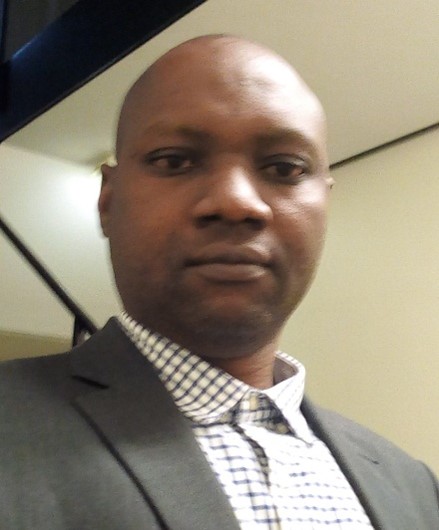
Samuel Popoola
My name is Popoola Samuel Olatunde (Ph.D.). I worked as a Chief Research officer (CRO) at the Nigerian Institute for Oceanography and Marine Research (NIOMR), with Ocean Expert Identity 26708. I hold a bachelor of Technology (B.Tech) in Applied Geology from the Federal University of Technology, Akure, Ondo state, Nigeria, and a master's degree in Mineral exploration (Geochemistry options), from the University of Ibadan, Oyo state, Nigeria.
I obtained PhD degree in Marine Resources and the Environment from Zhejiang University, Hangzhou China. I am a member of United Nations Educational, Scientific and Cultural Organization - Intergovernmental Oceanographic Commission (UNESCO – IOC – Nigeria National Ocean Decade Committee) and an Africa Deep Seabed Resources (ADSR) expert with the International Seabed Authority (ISA).
I am also a member of the intercessional expert group (“IEG”) supporting the Legal and Technical Commission of the ISA in developing binding environmental thresholds on toxicity, and a member of the Pool of Experts (PoE) of the United Nations Regular Process for Global Reporting and Assessment of the State of the Marine Environment, including Socioeconomic Aspects (Regular Process). I am a member of writing team for the chapter - Hydrothermal vents and cold seeps, for the third World Ocean Assessment. My expertise is on ecological risk assessment of marine pollution, the effects of global climate change on water resources, and the sustainable management of living and non-living ocean resources.
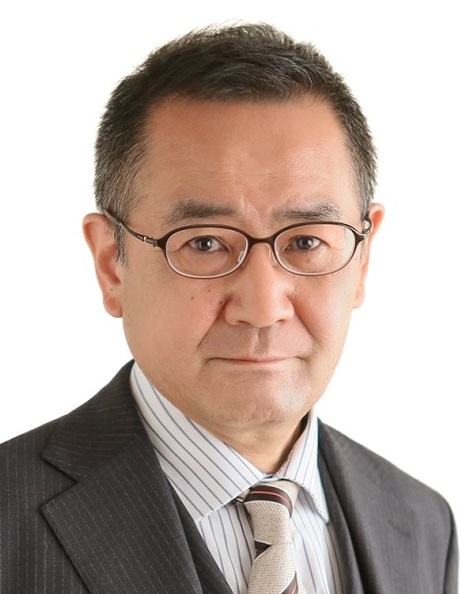
Tomohiko Fukushima
A member of Legal Technical Commission (LTC) (2023 ~ present)
Japan Organization for Metals and Security (JOGMEC) (2021 ~ present)
Deep Ocean Resources Development Co.ltd., Head of department (2020 ~2021)
Japan Agency for Marine-Earth Science and Technology (JAMSTEC), Group Leader (2014~2020)
University of Tokyo, Associate Professor (2008~2014)
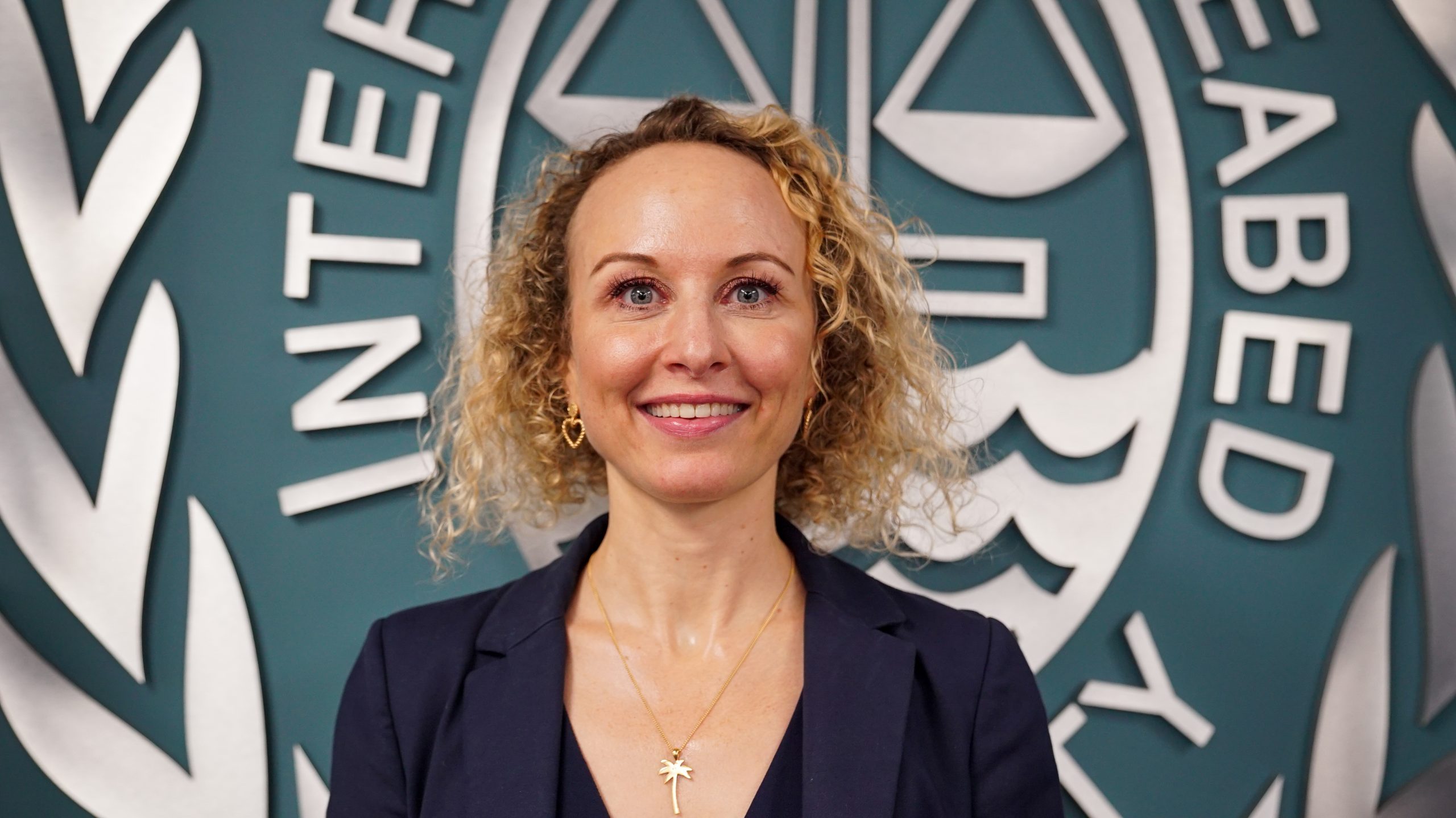
Noémie Wouters
Noémie Wouters is a marine scientist by heart and training and complemented her scientific training with business and managerial experience. She graduated magna cum laude as a Master in Marine and Lacustrine sciences from Ghent University in 2006. She obtained her PhD at the University of Lisbon, Portugal in 2014. Her research focussed on the effectiveness of marine resilience assessment tools. She has contributed to marine policy-making through my appointment at the at the European Marine Board (EMB). EMB is leading European think tank in marine science policy that engages in foresight activities shaping the research landscape and priorities in Europe.
She returned to my alma mater Ghent University in 2015 as a liaison officer to launch and initiate Blue Growth activities and projects. In 2016 the first edition of the pluridisciplinary UGent Blue Growth Summerschool kicked off and the initiative continues to thrive.
In 2018, she was appointed CEO of Bluebridge. Located at the Ostend Science Park, Bluebridge is the Blue Economy innovation centre of the University of Ghent. It is a beehive for blue economy entrepreneurs, scientists, policy makers and the industry. A milestone during her time at Bluebridge was the organisation of a strategic think-tank on the demand of critical minerals in collaboration with a contractor and Ghent University.
While exercising her CEO responsibility, she graduated with an executive MBA with honors at the Vlerick Business School, Belgium. Her thesis addressed green hydrogen to reach net zero emissions and hurdles and opportunities for Belgium to become a front-runner. This work was carried out in cooperation with Belgian multinational company active in the offshore industry.
In her free time, she enjoys sports, nature and is also a board member of the Flanders Marine Institute and the Twins Surf club in Belgium.
She joined the International Seabed Authority in 2021 as Programme Coordinator Marine Scientific Research where she coordinates the further implementation of the Marine Scientific Action Plan.
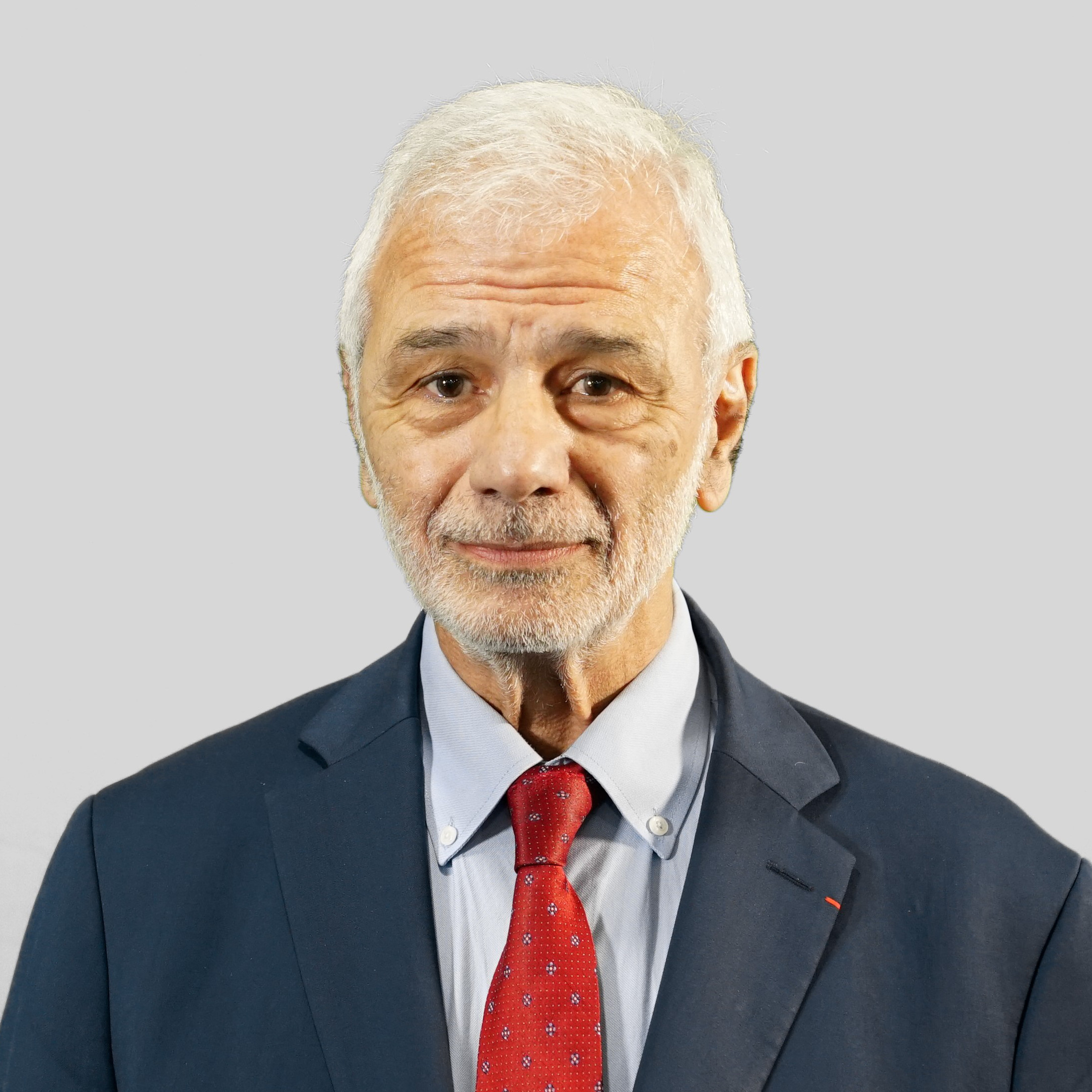
Elie Jarmache
Serving for 13 years at the Secretariat General of the sea, in charge of continental shelf, MSR, the Area (2005-2018). Head of the French Team to the CLCS-UN). Member of the Legal and Technical Commission of the International Seabed Authority (2012/2022). Member of the Scientific Council on Law of the Sea Institute (Monaco) (INDEMER). Chair of the Advisory Body of Experts on the Law of the sea, IOC/UNESCO (2001/2009); Publications on different issues: The French Practice of the LOS, MSR regime, the CLCS, the Area and the CHM, the functioning of ISA, the EU competences and the Law of the sea.
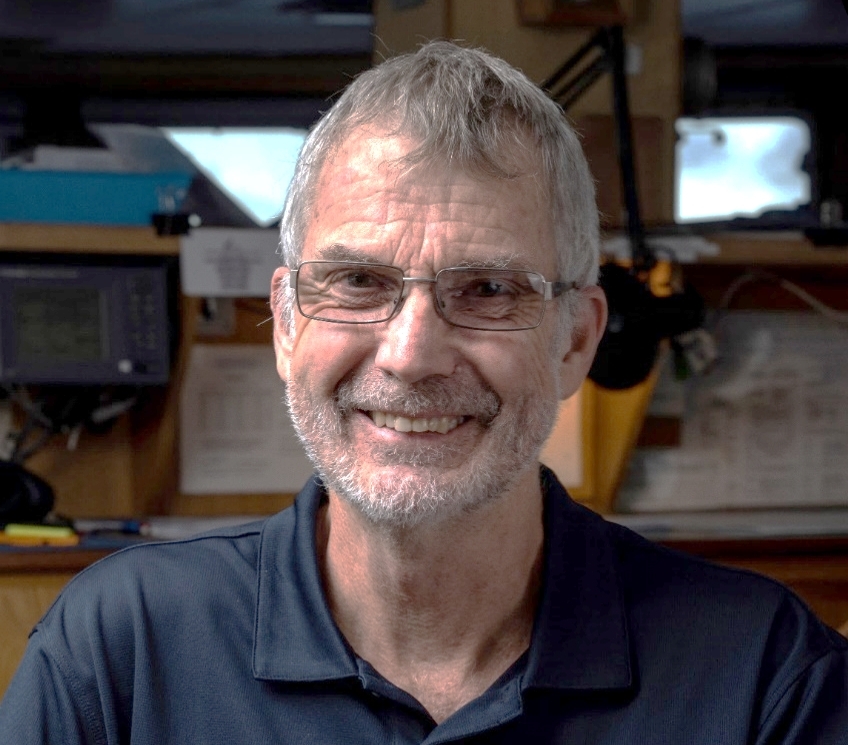
Malcolm Clark
Dr Malcolm Clark is a Principal Scientist with NIWA in Wellington, New Zealand. He worked extensively on stock assessment of deepwater fisheries in the 1980s and 1990s before broadening research to more general ecology of deep-sea ecosystems, especially seamounts, from the Pacific Islands to the Antarctic. His current work focusses on biodiversity of deep-sea habitats, evaluating environmental effects of human activities (such as commercial fishing and potential seabed mining), and development of ecological risk and impact assessments. He is currently a member of the ISA’s Legal and Technical Commission.
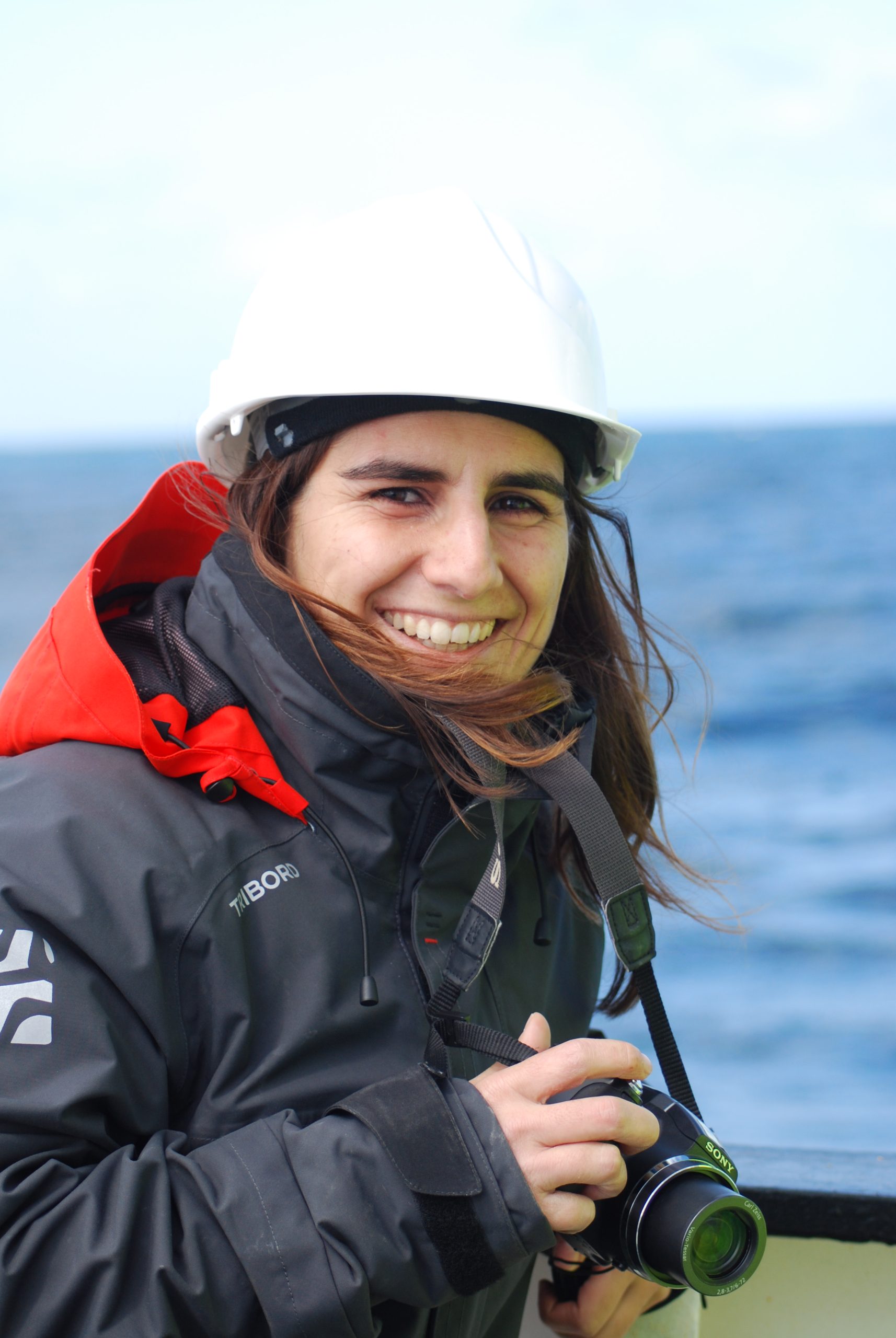
Luciana Genio
Luciana Génio is the environmental coordinator at the Secretariat of the International Seabed Authority (ISA). She joined ISA in 2019 and her current role stands at the science-policy interface, supporting the work on marine environmental protection in the Area, including the dissemination of environmental data through ISA’s DeepData database. Her responsibilities also include establishing and strengthening partnerships with the scientific community and relevant international organizations in support of ISA’s activities on marine scientific research in the Area. She has over 10 years of experience in deep-sea benthic ecology and evolution, having joined nearly 20 deep ocean expeditions in the Atlantic and Pacific Oceans. Before joining ISA, she was a researcher at the University of Aveiro in Portugal and a visiting scientist at other international research institutions. Luciana holds a PhD in Earth and Environmental Sciences from the University of Leeds (UK).